Bathroom Ventilation During a Remodel: Avoiding Persistent Moisture
Bathrooms that look new can still develop condensation problems when ventilation is treated as an afterthought. For homeowners estimating kitchen or bathroom renovations, the task is to identify what is known, what still needs professional confirmation, and which details would make one option more suitable than another.
This guide explains how to evaluate the key choices, document the relevant facts, and ask better questions before committing. It focuses on common U.S. consumer situations; local requirements, specific contracts and individual circumstances still matter.
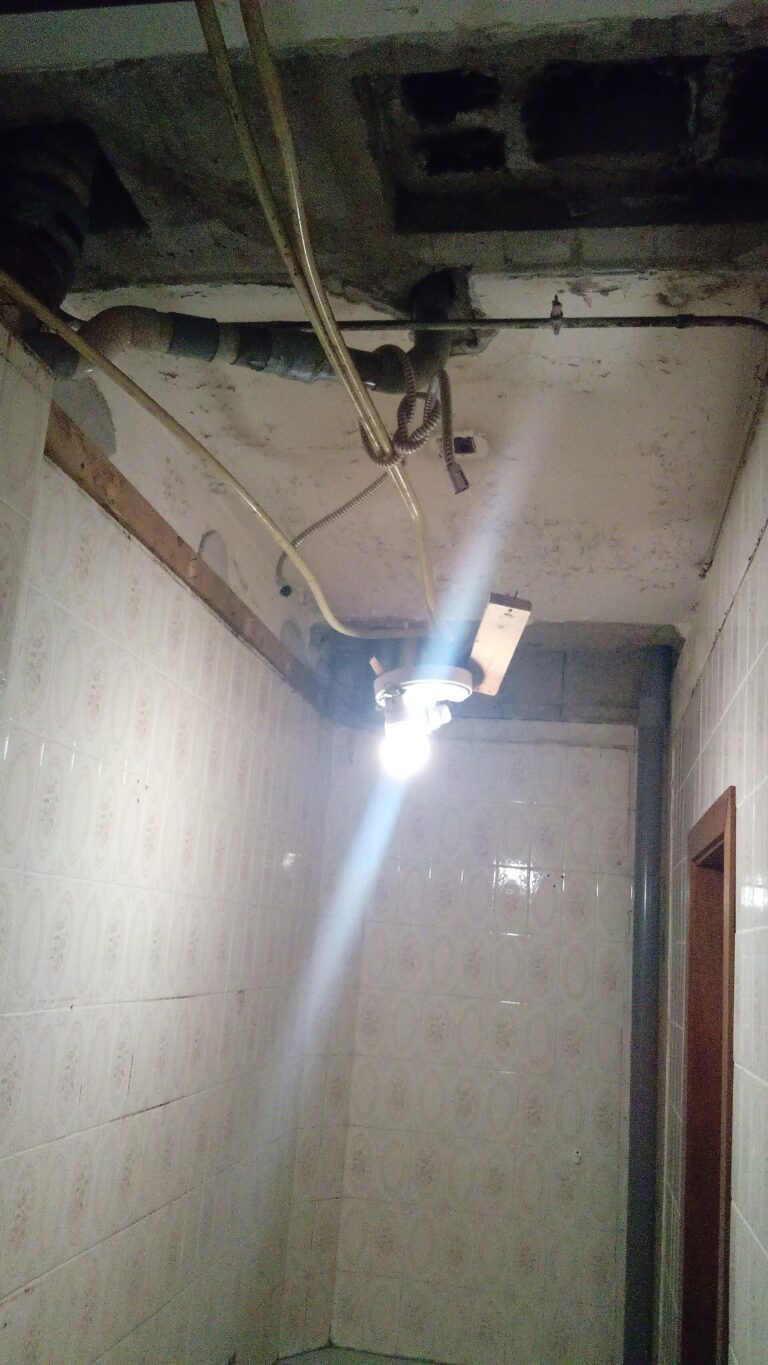
Inspect fan capacity and duct routing, whether exhaust reaches outdoors, natural airflow and where humid air could accumulate.
Permit and safety steps should be priced into the proposal instead of discovered at the last payment. The aim is to create a short evidence trail that another qualified person could independently review, rather than basing a decision on memory or a single headline figure.
Include a properly selected exhaust fan and duct work in quotes, and coordinate with insulation and lighting changes.
A useful comparison separates what each approach solves, what it leaves unresolved, the time or effort involved, and the conditions under which the recommendation would change. Where a provider offers only one path, request an explanation of why plausible alternatives are unsuitable.
Ask for the scope in writing. Identify exclusions, dependencies, approval steps and what happens if new information appears after work begins. A homeowner should know what requires written approval before the project can expand in cost or duration.
A meaningful budget separates the fixed work scope from allowances for finishes and unknown conditions. Compare bids line by line: lower totals sometimes omit disposal, protection, permit costs or fixtures that another contractor has included.
The most useful comparison is a like-for-like comparison. A lower headline charge may shift work or financial risk onto the customer, while a higher quote may contain meaningful services that the other proposal excludes. Put the assumptions side by side and ask the provider to mark any missing line items.
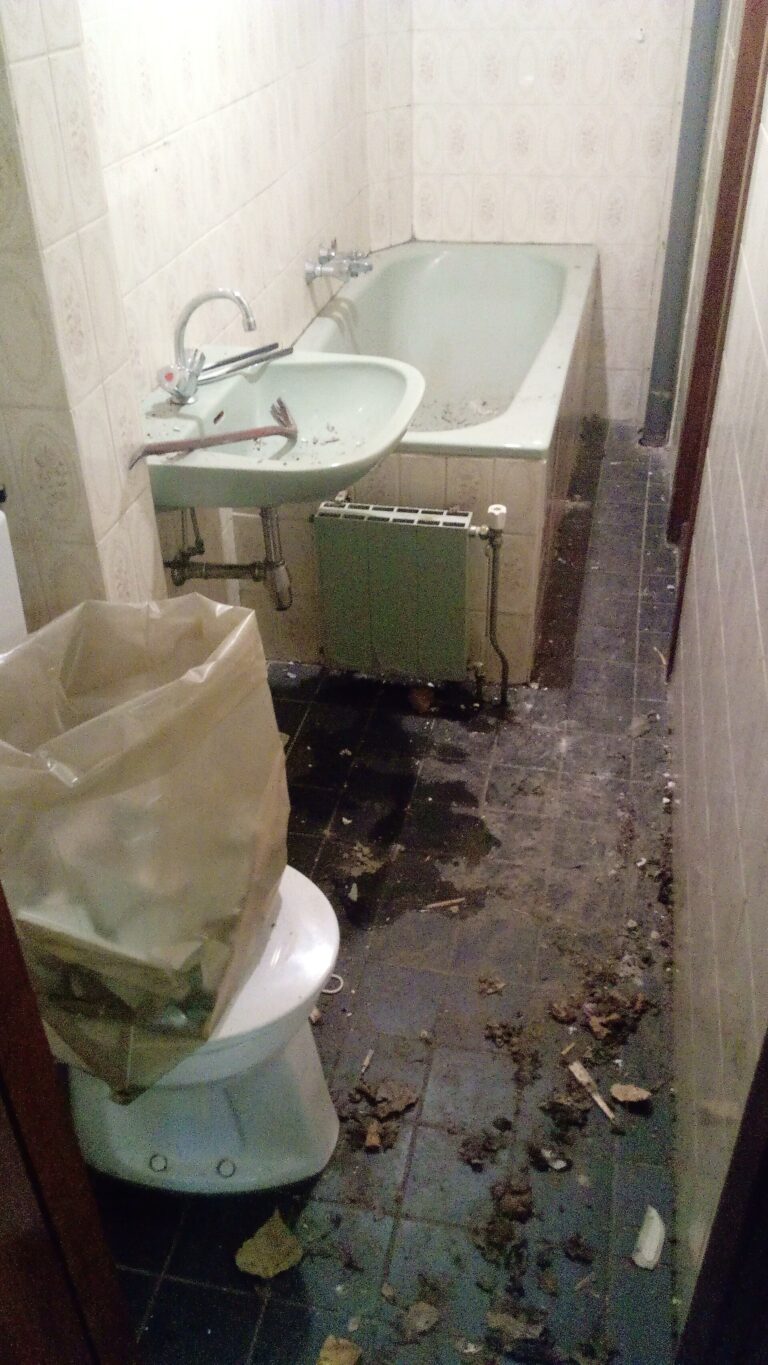
A compact windowless bath gets a dedicated ventilation plan before ceiling finishes go back in.
The important lesson is not that everyone should reach the same conclusion. It is that the decision follows documented needs, comparable proposals and a clear explanation of what success would look like. A second evaluation is especially valuable when the stakes are high, the diagnosis is uncertain or the alternatives differ substantially.
Venting a bathroom exhaust fan into an attic can move the moisture problem rather than solve it.
Another mistake is overlooking what happens after signing or paying. Keep records of the agreed scope, future obligations, cancellation rules where applicable, and the contact to use if the result does not meet expectations. Written scope and materials allowances are the foundation of a useful renovation comparison.
No. Compare the result being purchased, the quality of the underlying evidence, what is excluded and the practical cost if the option does not work as intended. Seek clarification when two proposals use different assumptions.
Consider another qualified assessment when major expense, safety, legal rights or an irreversible change is involved; when the explanation is unclear; or when estimates propose fundamentally different solutions.
Permit, contractor licensing, lead-safe work, ventilation and electrical or plumbing requirements differ by jurisdiction and building age. Confirm requirements with the local authority and qualified trades before disturbing structures or utilities.
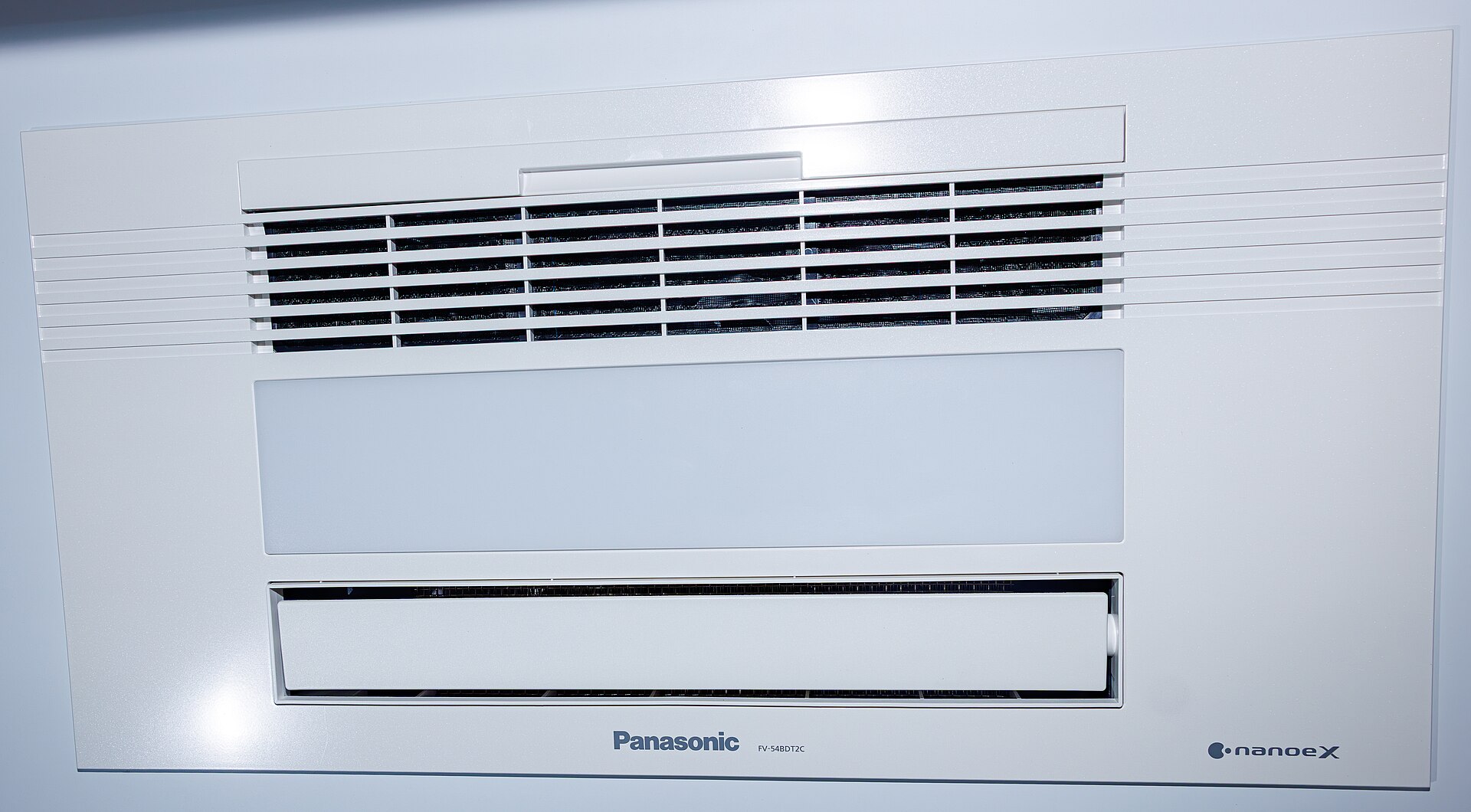
Featured image — Photo: Dinkun Chen · BY-SA